A roofing inspection checklist for Olathe, KS homes is the difference between catching a small problem on a Saturday afternoon and paying for a ceiling repair after a spring downpour. Olathe's mix of hail-producing storms, humid summers, and freeze-thaw winters wears down roofing materials faster than milder climates allow. This guide walks through exactly what to check, when to check it, and when it's time to stop climbing the ladder and call a professional instead.
Why a Roofing Inspection Checklist Matters for Olathe, KS Homes
Olathe sits in a region known for severe spring storms, hail-producing supercells, and winters that swing between freeze and thaw within the same week. Federal climate data confirms the pattern isn't just local folklore: the state's geography allows cold, dry air from the north to combine with warm, moist air from the Gulf of Mexico, making severe thunderstorms common in Kansas, some of which produce large hail, high winds, and tornadoes . That combination stresses shingles, flashing, and gutters in ways calmer climates simply don't experience.
A consistent inspection routine catches four things before they become expensive: minor material damage, early weather wear, small leaks, and structural issues that compromise safety. Skipping inspections doesn't make a roof last longer. It just delays discovery until the damage has already spread to decking, insulation, or interior drywall.
Our crews inspect roofs across Olathe and the greater Kansas City metro every week, and the most common miss we find isn't on the shingles themselves. It's granule buildup in the gutters, a sign the shingles are shedding protective coating faster than the homeowner realizes. If you'd rather have a trained eye handle the climb, our roof inspection services cover every item on this checklist and then some, and homeowners in our Olathe, KS service area can schedule one directly.
When to Perform a Roof Inspection in Olathe, KS
Most roofing professionals recommend inspecting twice a year, once in spring after hail season ramps up and once in fall before winter weather arrives. The National Roofing Contractors Association backs this up directly: other than annual visual inspection requirements in some codes, NRCA maintains its long-standing recommendation that roof systems should be inspected and any necessary repairs made twice a year, with additional inspections after severe weather . A third check after any significant storm rounds out a realistic Olathe maintenance schedule.
| Inspection Timing | Primary Focus | Key Checks |
|---|---|---|
| Spring | Winter damage assessment | Ice dam marks, cracked or curled shingles, loose gutters |
| Fall | Winter preparedness | Shingle attachment, flashing seals, clear gutters |
| Post-storm | Storm damage documentation | Dented or missing shingles, debris impact marks, granule loss |
Spring Inspection
Spring inspections catch what winter left behind. Ice dam damage along the eaves, shingles cracked or curled from repeated freeze-thaw cycles, and gutters bent or pulled loose under snow load are the most common finds this time of year.
Walking the perimeter of the house with binoculars after winter thaw is often enough to spot these early warning signs before summer storms make them worse.
Fall Inspection
Fall inspections confirm your roof is ready for what's coming, not catch problems that already happened. Checking that shingles are firmly attached, flashing is sealed, and gutters are clear gives the roof system its best shot at handling the snow and ice load winter typically brings.
Given how unpredictable Olathe weather can turn from October to December, this is the inspection homeowners skip most often, and the one that prevents the most ice dam damage later.
Post-Storm Inspections
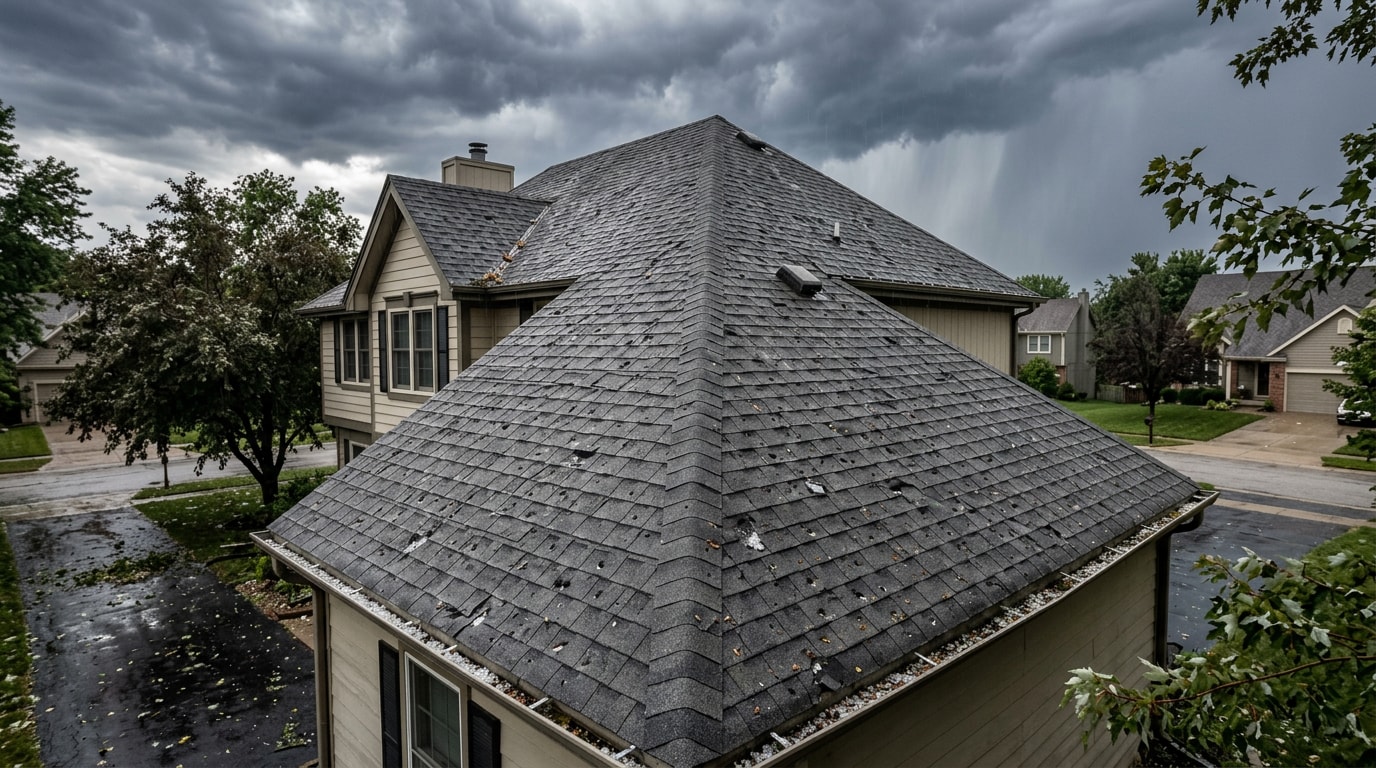
After any hail event or high-wind storm, check for dented, cracked, or missing shingles and any debris impact marks on the roof surface. If the roof is wet, steep, or you can see damage from the ground, skip the ladder and call a professional instead of risking a fall.
A post-storm roof inspection, paired with a basic storm damage checklist, is the fastest way to confirm whether a claim is worth filing before the damage spreads under the shingles. If hail has already dented your shingles or vents, our hail damage roof repair and storm damage roof repair teams can document the damage the same way an adjuster expects to see it.
Exterior Roof Inspection Checklist
Before anyone steps inside, a ground-level and roof-surface walk-through catches most visible problems. These are the exterior items worth checking every time, whether it's a routine spring check or a post-storm follow-up.
Inspect Shingles and the Roof Surface
Shingles tell you most of what you need to know about a roof's remaining life. Check for:
- Cracking, curling, or blistering, which signal the shingles are nearing the end of their lifespan
- Missing or loose shingles, which leave the decking exposed to wind-driven rain
- Bare spots where granules have worn away, since granules are what protect the shingle mat from UV damage
- Soft or spongy spots, which often mean moisture has already reached the decking underneath
If more than a handful of shingles show wear in the same area, that's usually a sign of a failing section rather than isolated damage.
Inspect Gutters and Downspouts
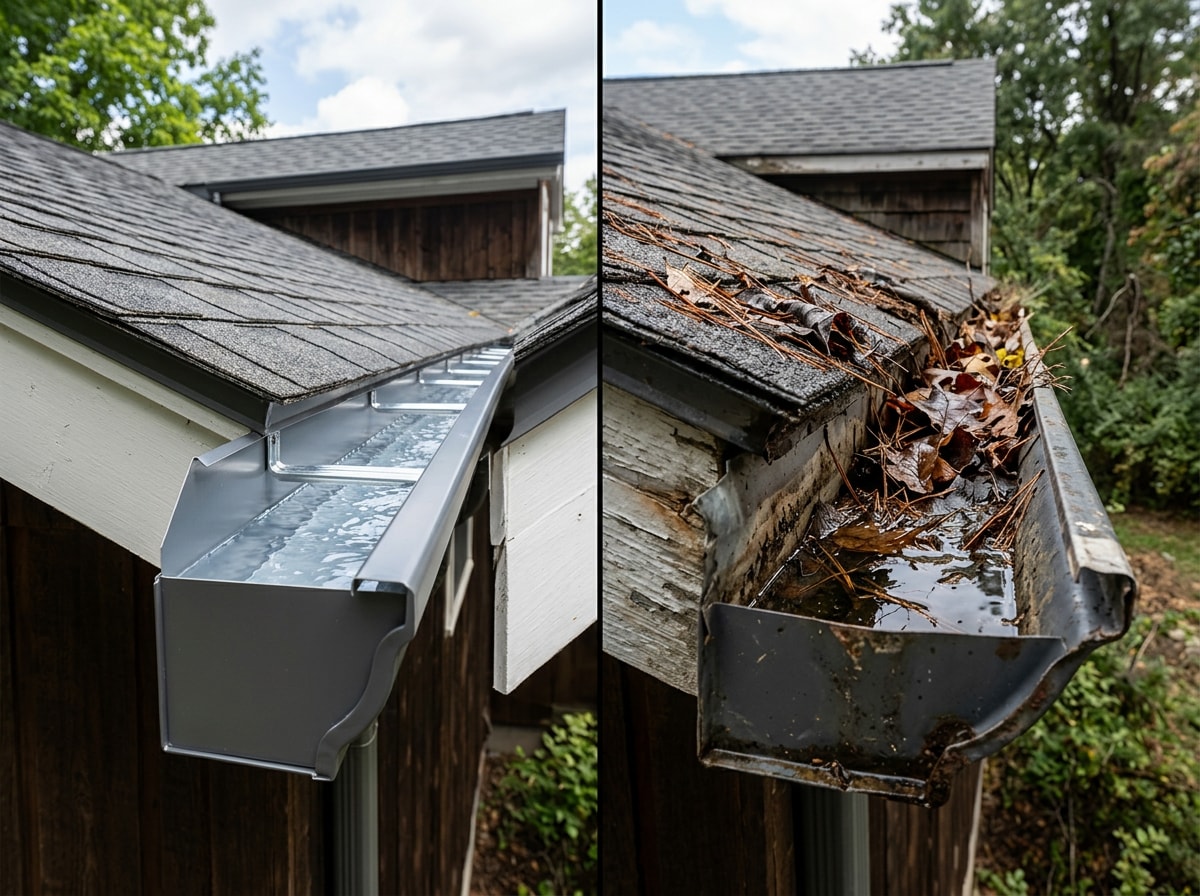
Gutters and downspouts should be securely attached, free of debris, and free of rust or corrosion along seams and joints. Loose brackets, standing water, or sagging sections usually mean the gutter system isn't draining the way it's supposed to.
Poor roof drainage doesn't just affect the gutters themselves. Backed-up water can work its way under shingles at the roofline and cause rot in the fascia board behind it. A five-minute check after any heavy rain tells you whether the system is actually doing its job. If your gutters need more than a quick cleanout, our gutter cleaning and gutter repair teams handle both routine maintenance and storm-related fixes.
Examine Flashing Around Chimneys and Skylights
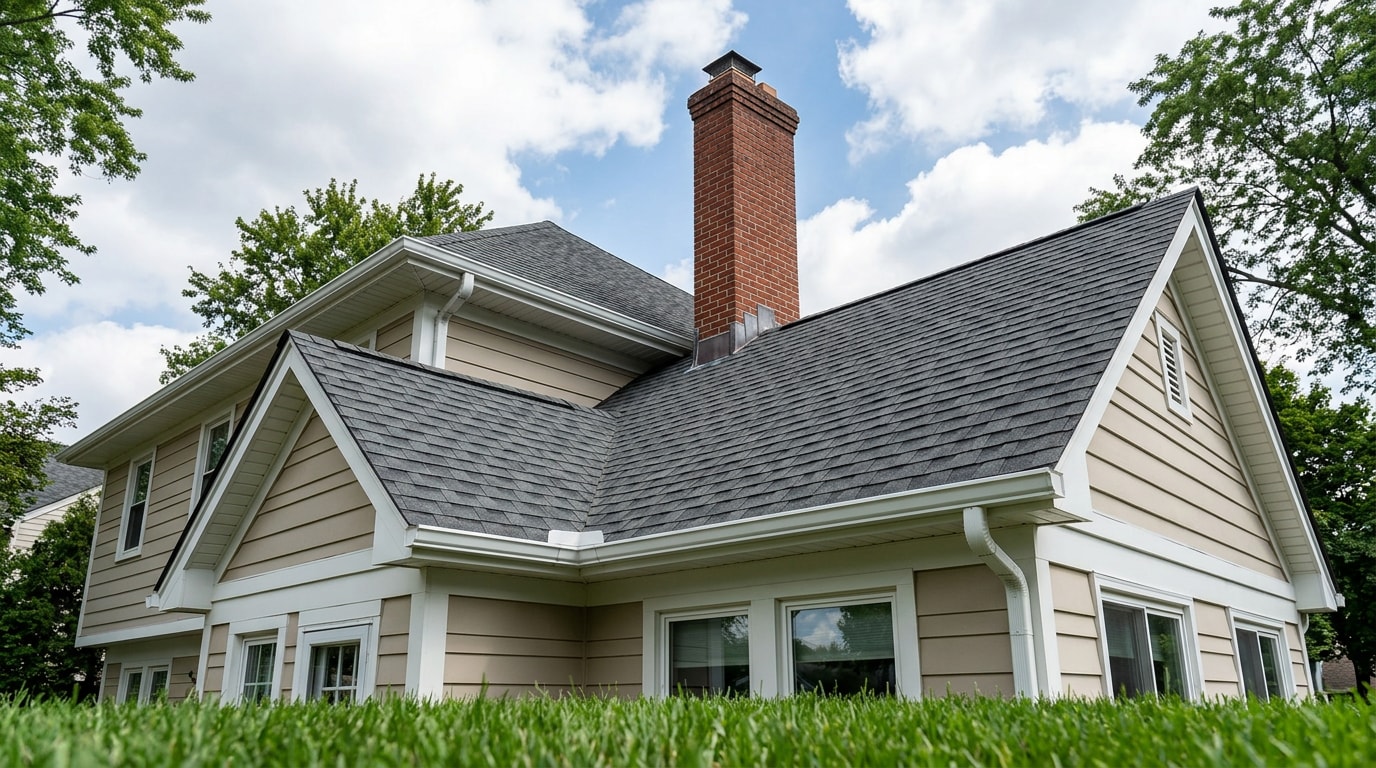
Flashing around chimneys, skylights, and roof vents is one of the most common leak entry points on any home, and it's often overlooked because it's small and easy to miss from the ground. Cracked, loose, or rusted flashing lets water travel straight down into the decking below, even when the surrounding shingles look fine.
Chimney flashing in particular tends to loosen over time as the chimney and roof deck expand and contract at different rates. If you spot gaps, rust streaks, or caulking that's pulled away from the metal, that's a leak prevention issue worth addressing before the next rain. Our roof leak detection and repair service handles exactly this kind of targeted fix without requiring a full roof replacement.
Interior Roof Inspection Checklist
A roof can look fine from the street and still be leaking. Interior checks, especially in the attic, catch moisture problems well before they show up as a stain on the living room ceiling.
Check the Attic
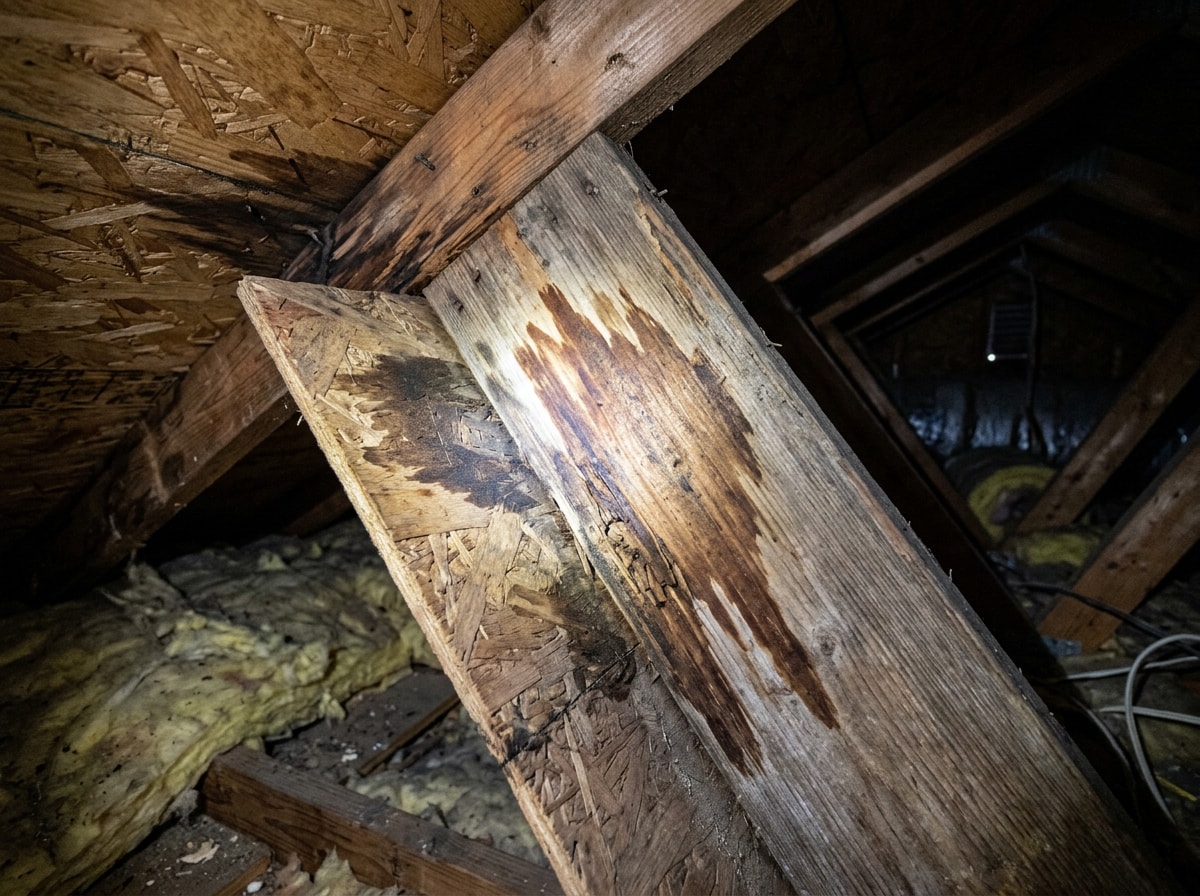
Check the attic for water stains on the underside of the roof deck, discoloration on rafters or ceiling joists, and any musty smell that suggests mold or mildew is already growing. These are the earliest, most reliable roof leak signs available anywhere in the house.
A flashlight and ten minutes in the attic after a hard rain can reveal problems that won't be visible from outside for months. Catching a small water stain early is far cheaper than repairing water-damaged insulation and drywall later.
Assess Insulation and Ventilation
Poor attic ventilation and insulation accelerate shingle aging from the inside. Trapped heat in summer bakes shingles from underneath while trapped moisture in winter contributes directly to ice dam formation. Both problems are common in older Olathe homes with undersized attic vents.
Energy Star's attic ventilation guidance is blunt about the most common installation mistake: the most common mistake homeowners make when installing insulation is blocking airflow at the eaves, since soffit vents should never be covered with insulation . If your attic feels noticeably hot in summer or has frost buildup in winter, ventilation is worth a closer look alongside the roof itself. Our attic venting and roof ventilation installation services correct airflow problems that a shingle replacement alone won't fix.
When to Schedule a Professional Roof Inspection
Some findings call for a professional instead of a second trip up the ladder. Visible damage you can't fully assess from the ground, any inspection following a confirmed hail or wind event, or anything questionable turning up during a DIY check are all good reasons to bring in a trained eye.
Timing matters more than most homeowners realize if a storm is involved. Insurance carriers often impose strict reporting windows, and documentation gathered within days of a storm carries more weight than photos taken weeks later. Our insurance claim roof assistance team walks homeowners through that documentation process from the first inspection to the final claim payout.
Professional roof inspectors carry safety equipment, know what subtle damage looks like before it becomes a leak, and can document findings for insurance purposes in a way a phone photo usually can't. Routine upkeep between inspections also matters. Our roof maintenance and tune-up plans catch small issues between seasonal checks so they never make it onto next spring's checklist. For a deeper look at year-round upkeep, this complete homeowner roofing maintenance checklist covers tasks beyond the inspection itself.
If your search for an Olathe roofing contractor is turning up more questions than answers, a free roofing estimate is usually faster than guessing. You can see examples of our completed inspections and repairs on our projects page, or visit our homepage to learn more about our Olathe roofing team. Ready to get a roof checked before the next storm rolls through? Get a free estimate and we'll put a trained inspector on your roof, not just a checklist in your hands.
FAQ
How much does a roof inspection cost?
Many local roofing contractors, including ours, offer free roof inspections as a standard service. Paid, independent inspections often run in the $150 to $400 range and are more common when a real estate transaction or insurance claim requires a neutral, third-party report rather than a contractor's assessment.
How often should I inspect my roof for damage?
Roofs should be inspected at least twice a year, spring and fall, plus an additional check after any major storm. NRCA maintains its long-standing recommendation that roof systems be inspected and any necessary repairs made twice a year, with additional inspections and maintenance after severe weather , a standard that holds up well given how much seasonal stress Olathe roofs absorb between hail season and winter freeze-thaw cycles.
What do roof inspectors look for?
Professional inspectors generally evaluate three categories: structural soundness (sagging, decking issues), material condition (shingle wear, granule loss, flashing damage), and interior signs (attic moisture, insulation condition, ventilation). This mirrors the exterior-then-interior approach covered throughout this checklist.
What's included in a roof inspection report?
A typical Olathe roof inspection report includes a condition assessment, estimated remaining lifespan, photos of any damage found, roof measurements and material type, and a repair cost estimate. Lenders and insurance companies in Kansas often require this level of documentation before approving a claim or closing on a home sale, so keeping a copy on file is worth the extra step.
Can I do a roof inspection myself, or do I need a professional?
A homeowner can safely handle ground-level and attic checks: gutters, visible shingle condition, flashing from a distance, and attic moisture signs. Climbing onto the roof itself, assessing storm damage for an insurance claim, or inspecting steep or multi-story roofs is where it's worth calling a professional instead.
How quickly can a professional roof inspection be scheduled after a storm?
Most established roofing contractors can get an inspector out within a few days of a request, and sooner if the damage is actively causing a leak. Scheduling promptly also helps if you're filing an insurance claim, since many carriers set a limited reporting window after a storm.